How To Properly Fit A Full Face Cpap Mask
How To Properly Fit A Full Face Cpap Mask. When you have sleep apnea. The cpap full face mask is useful if you breathe through your mouth or your breathing alternates regularly between your nose and mouth.
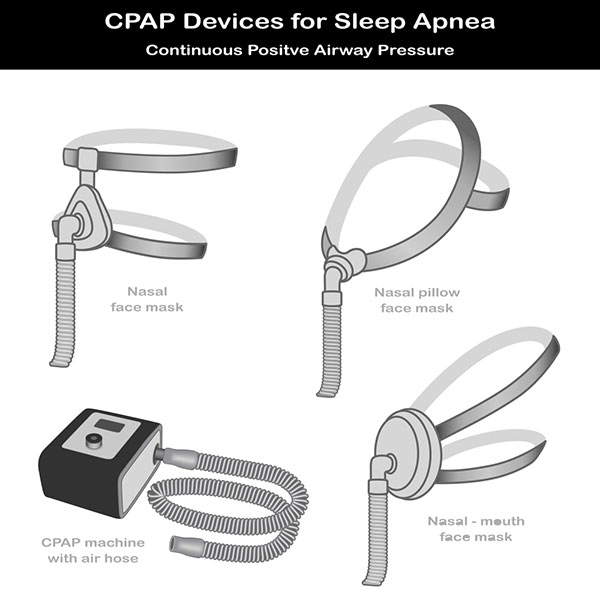
Cpap mask tubing is susceptible to developing small holes or tears which may not even be visible to the naked eye. If your cpap mask headgear has a chinstrap band, check to make sure it’s not too tight as it might pull the mask downward. When you have sleep ap.
Please note that your mask user guide also contains complete fitting instructions.
Let the mask settle back onto your face, and adjust the headgear as required. Full face cpap masks cover both the mouth and the nose. When you have sleep apnea.
This will prevent the mask and tubing from becoming misshapen and creating the leak you are trying to avoid.
It should be comfortable and not tight. Your medical equipment provider or sleep physician should have helped you to fit your mask properly when you started treatment. As a result, you should spend a little time making sure you pick a mask and style that work for you.
The cushion sits from the crease of the chin, and at the top it's designed to touch your nose around here, firstly remove the elbow from the mask by pressing in the side buttons, and then.
With the mask held against your face, pull the headgear over your head. You may need to adjust your cpap nasal mask to get a comfortable fit. The fit of a mask depends a great deal.
It is very important for you to pick the right cpap mask size for your therapy.
It is difficult to get used to wearing a cpap mask every night. Firstly, readjust the headgear and make sure the cushion is properly set. What’s the correct way to fit a cpap mask?
Measure straight down from the middle of your pupil to just below the lower lip.
If your cpap mask has nasal pillows, rotate the nose cushions or try a different size to help secure the fit. To purchase, please click here. Counterintuitively, full face cpap masks are ideal for people who feel claustrophobic with a mask.
Comments
Post a Comment