How To Use A Cpap Mask
How To Use A Cpap Mask. Your doctor or sleep specialist will recommend a mask based on several factors including how you breathe, the pressure you need, and your sleeping position. In summary, when using a nasal pillow mask for cpap therapy, you should always breathe through your nose.
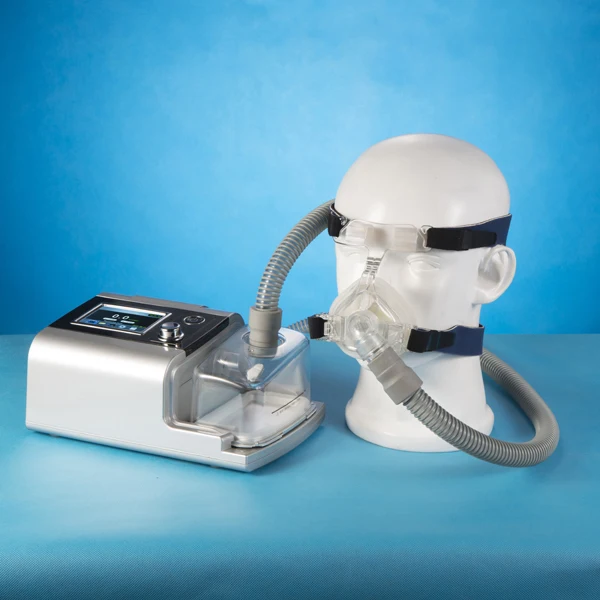
The vent holes are there to make sure that you won’t suffocate if the airflow from the machine were to cut off for any reason. First, we suggest wearing the cpap mask while you’re awake and upright. You should expect a headgear that comes with face straps.
If you have trouble keeping your mouth closed, a chin strap or a full face mask can resolve your problem.
Once you’ve chosen a mask, the next step is to schedule a fitting where you’ll choose the right size and adjust the headgear according to the shape of your head and face. Just put it on, secure it in place, and adjust to the desired tightness. The continuous air pressure is usually applied through a cpap nasal mask.
Because each mask fits a certain way, follow the manufacturer’s guidelines when applying your cpap mask.
Your doctor or sleep specialist will recommend a mask based on several factors including how you breathe, the pressure you need, and your sleeping position. Breathing should be kept as normal as possible, without resisting the pressure created by the machine. Put on and adjust the mask.
Cpap masks for back sleepers.
Just put it on, secure it in place, and adjust to the desired tightness. Other masks go over the nose or just underneath it. Gently seat the mask by lowering it back down over your nose and/or mouth, and make small adjustments in a clockwise fashion until you.
If you simply throw it on before you try to fall asleep, you’re more likely to feel uncomfortable and even claustrophobic.
While this may make sleeping on your back the best position if you use a cpap mask, sleeping this way can cause airway collapse due to gravity. A cpap mask is a key piece of equipment for cpap therapy. All cpap masks have a carbon dioxide venting system via vent holes built into the mask.
However, one of the most effective treatments that can immediately improve sleep apnea symptoms is continuous positive airway pressure (cpap) therapy.
The mask connects to your cpap machine with tubing, creates an airtight seal around your mouth and nose, and delivers pressurized air to help keep. One of the best ways to get used to your cpap mask is to wear it while you’re awake. Wearing the mask attached to the cpap.
Comments
Post a Comment